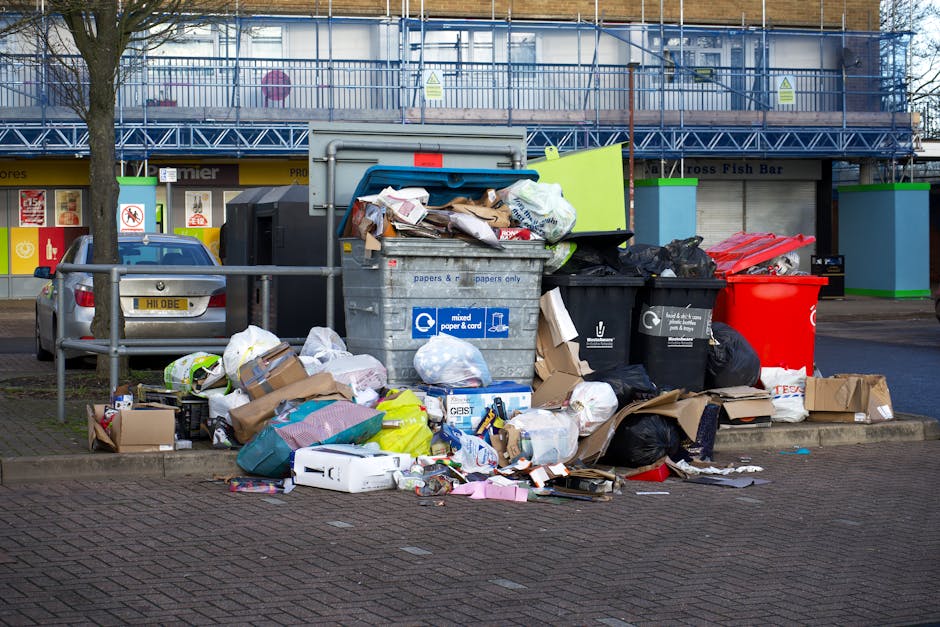
E14 household rubbish collection times for Poplar residents
If you live in Poplar and you are trying to work out the best time to put your household rubbish out, you are not alone. Collection timing sounds simple until bin day lands on a narrow street, a shared block entrance, or a morning when you are already juggling school runs and work. In E14, getting the timing right matters more than most people expect. Miss the window and you may face missed collections, extra mess, or bags left outside longer than they should be. This guide explains E14 household rubbish collection times for Poplar residents in plain English, with practical advice you can actually use, whether you live in a flat, a terraced house, or a managed building.
We will cover how household rubbish collection schedules usually work, why timing affects cleanliness and compliance, what to do if your waste is not collected, and how to avoid the small mistakes that lead to bigger headaches. If you are clearing out more than a normal bin bag or dealing with bulky items, there are also sensible local alternatives such as rubbish removal, domestic skip hire, and wait and load skip hire. A bit of planning goes a long way, honestly.
Table of Contents
- Why E14 household rubbish collection times for Poplar residents Matters
- How E14 household rubbish collection times for Poplar residents Works
- Key Benefits and Practical Advantages
- Who This Is For and When It Makes Sense
- Step-by-Step Guidance
- Expert Tips for Better Results
- Common Mistakes to Avoid
- Tools, Resources and Recommendations
- Law, Compliance, Standards, or Best Practice
- Options, Methods, or Comparison Table
- Case Study or Real-World Example
- Practical Checklist
- Conclusion
- Frequently Asked Questions
Why E14 household rubbish collection times for Poplar residents Matters
Collection timing is not just about convenience. It affects the whole street. In a busy part of East London, a few hours can make the difference between a tidy pavement and a row of black bags attracting seagulls, cats, or just general frustration from neighbours. Poplar has a mix of housing types and access patterns, so one household's neat routine may not suit another. That is why understanding E14 household rubbish collection times for Poplar residents helps you keep waste under control rather than letting it pile up at the wrong moment.
There is also a practical side. If a collection is scheduled for early morning, putting bins out too late can mean a missed pickup. Putting them out too early, on the other hand, can create clutter or nuisance. It sounds minor, but these things stack up. One forgotten bag becomes two, then suddenly the front path looks like a temporary waste station. Not ideal.
For residents managing a wider clear-out, timing matters even more. If you are clearing a flat before tenants change, dealing with loft clutter, or planning a weekend declutter, the bin collection window may not be enough. In those cases, services such as house clearance or garage and loft clearance can be a better fit than trying to squeeze everything into standard household waste.
Expert summary: The safest approach is to treat collection times as a tight window, not a vague suggestion. Put waste out only when it is due, keep bags secure, and choose a different disposal route for bulky or unusual items.
How E14 household rubbish collection times for Poplar residents Works
In most parts of London, household rubbish collection follows a local schedule set by the relevant waste authority or managing service. For Poplar residents, the exact timing can vary by street, property type, and service arrangement. The key thing to understand is that collection time usually means a collection window, not a precise minute on the clock. That window may be early morning, daytime, or in some cases a more specific slot for particular buildings or developments.
So what should you expect? Typically, households place waste out before the scheduled collection day or at the time advised locally, and the crew collects it as part of a route. If you live in a block of flats, there may be shared bins, bin stores, or concierge-managed access. If you live in a house, it may be kerbside collection. The exact arrangement can feel routine once you know it, but the first few times can be a bit awkward. Truth be told, many missed collections happen because people assume the timing is the same as last week or the same as next door's.
Collection timing often interacts with other practical details:
- Access: gates, codes, bin stores, and parked cars can delay or prevent pickup.
- Waste presentation: bags must be tied, containers closed, and items placed where crews can reach them safely.
- Weather: rain and wind can make loose rubbish scatter quickly.
- Special items: bulky waste, electricals, and hazardous materials usually need separate handling.
If your rubbish is more than the normal weekly load, it is worth comparing standard collection with options like skip hire or grab hire services. For a quick turnaround, some residents prefer same day skip hire, especially during move-outs or post-renovation clear-ups.
Key Benefits and Practical Advantages
Getting rubbish collection timing right has benefits that are easy to overlook until you have got it wrong a few times. A tidy schedule reduces stress, keeps shared spaces cleaner, and makes it easier to plan around busy weeks. In a place like Poplar, where many homes have limited storage, timing can be the difference between a smooth routine and waste building up in hallways or gardens.
- Cleaner streets and shared entrances: waste spends less time outside, which helps reduce odours and visual clutter.
- Fewer missed collections: setting reminders and knowing the routine cuts down on avoidable problems.
- Better neighbour relations: nobody enjoys bags left out for hours, especially in shared or narrow-access streets.
- Safer access for crews: clear presentation makes collection quicker and reduces trip hazards.
- More efficient decluttering: once the standard collection rhythm is clear, you can plan larger clear-outs more intelligently.
There is another advantage people often miss: better decision-making. Once you know what ordinary household collection can handle, it becomes much easier to spot when you need a different disposal method. For example, a few bin bags are one thing. A sofa, broken wardrobe, and renovation offcuts are another. At that point, a service such as mattress and sofa disposal or builders waste removal may save you time and a few headaches.
Who This Is For and When It Makes Sense
This topic matters to just about anyone living in E14, but some people feel the pressure more than others. If you live in a flat with limited bin storage, collection timing can affect your whole week. If you work odd hours, you may not be around to put bags out early. If you are caring for family, handling a move, or trying to clear a property after a tenancy ends, you probably need a plan rather than guesswork.
Here are the residents who usually benefit most from a clear routine:
- People living in flats, maisonettes, or managed blocks.
- Households with no front garden or limited storage space.
- Landlords and letting agents preparing between tenancies.
- Families doing a room-by-room declutter.
- Residents dealing with garden waste, bulky furniture, or appliance disposal.
It also makes sense if you are trying to keep costs down. Missing a collection and leaving waste sitting around often leads to extra cleanup later. Sometimes the cheaper option is actually the one that feels a little more organised up front. If the job is bigger than a weekly collection can handle, it may be smarter to check skip sizes and prices or look at man and van support for smaller loads.
Step-by-Step Guidance
If you want a straightforward routine for E14 household rubbish collection times for Poplar residents, follow this sequence. It keeps things tidy and reduces the odds of missed bins or annoyed neighbours. Nothing fancy. Just solid habits.
- Confirm your collection day and usual timing pattern. Do not rely on memory alone. If your route or building arrangement has changed, double-check the current expectation.
- Sort your waste before collection day. Separate normal household rubbish from recycling, food waste, bulky items, and anything that needs specialist disposal.
- Use the right container or bag. Overfilled bags split easily. Loose rubbish blows around. You know the rest.
- Place waste where crews can access it. Keep paths, gates, and bin stores clear.
- Put waste out at the correct time. Early enough to be collected, but not so early that it becomes a nuisance.
- Check after collection. If bins were missed, note what was left behind and why.
- Escalate recurring issues. If access, contamination, or timing keeps causing trouble, consider a better disposal method.
A small real-world example: if you are clearing a spare room over a Saturday morning, leave the regular bin waste in line with the collection routine, but move bulky or mixed items into a separate pile for later. That way you do not clog up the collection point with items that are unlikely to be taken. Simple, but it saves time.
Expert Tips for Better Results
Over time, the best routines are the boring ones. A consistent approach beats a rushed one nearly every time. The following tips are the ones that genuinely help in day-to-day use.
- Set a recurring reminder: use your phone calendar the day before and the morning of collection. It sounds obvious, but people forget. A lot.
- Keep a small, dedicated bagging area: even a tiny utility corner or cupboard can help you separate bin waste from items for reuse or disposal.
- Do a five-minute evening check: if collection is early, make sure bags are tied and stored correctly before you turn in for the night.
- Avoid last-minute sorting: half-sorted waste leads to contamination, and contamination leads to missed convenience. Not worth it.
- Think in categories: everyday rubbish, recycling, bulky waste, electrical items, confidential waste, and hazardous materials all need different treatment.
One thing we notice often: people underestimate how quickly a small pile grows. A broken chair, some cardboard, a bit of old paint, and a couple of bags can suddenly become a mini project. If that sounds familiar, it may be worth using a more flexible option such as waste recycling services or recycling and sustainability guidance when deciding what happens next.
Common Mistakes to Avoid
Most rubbish collection problems are caused by a few repeat mistakes. The good news? They are easy enough to avoid once you know them. The bad news is, they are also the kind of mistakes people make on autopilot.
- Putting waste out too late: if the crew has already passed, the bin may sit until the next scheduled run.
- Leaving bags loose or open: this can create litter and unpleasant smells.
- Blocking access: parked vehicles, locked gates, or items in front of bins can stop collection entirely.
- Mixing prohibited items into household waste: batteries, chemicals, and sharp objects need separate handling.
- Assuming bulky items count as regular rubbish: they often do not.
- Ignoring repeated missed collections: if the same issue keeps happening, there is usually a root cause to fix.
Another common slip is trying to force all waste into standard collection because it feels easier in the moment. Sometimes it is. But if you are dealing with a fridge, mattress, or broken appliance, that shortcut can backfire. Better to plan ahead than wrestle with a bin lid that clearly has other ideas.
Tools, Resources and Recommendations
You do not need a complicated system to manage household rubbish well, but a few basic tools make a real difference. A simple setup is usually enough for most Poplar homes.
- Calendar reminders: phone alerts, fridge notes, or a shared household calendar.
- Labelled storage tubs: one for recycling, one for donation, one for disposal.
- Heavy-duty bin bags: useful for sturdier household waste and cleaner presentation.
- Reusable gloves: handy for moving awkward items safely.
- Checklists: especially helpful before a collection day or a clear-out.
If your waste stream has changed because of a renovation, move, or office-style cleanup at home, it may help to compare services. For example, skip permits may be relevant if a skip needs to sit on a public road, while enclosed and lockable skip hire can make sense where security or weather protection matters. If access is tight, grab lorry hire may be more practical than a standard container. It depends on the street, really.
For peace of mind around costs and expectations, it is also sensible to review pricing and quotes, payment and security, and the company's insurance and safety information before booking any larger waste service.
Law, Compliance, Standards, or Best Practice
Household rubbish collection is not just a matter of convenience. In the UK, residents are expected to present waste responsibly and avoid putting out dangerous or inappropriate materials with general refuse. While the exact rules can vary by borough or property type, the best practice is fairly consistent: keep waste secure, do not obstruct access, and separate anything that needs specialist disposal.
There is also a practical duty of care mindset here. Even if you are only disposing of domestic rubbish, you still benefit from handling waste properly and avoiding contamination. Mixed waste can cause collection delays or rejection. Hazardous materials need particular care, and sharps, chemicals, and electrical items should never be treated like everyday bin waste. If you are unsure, err on the cautious side. That is the safest choice, by a long way.
For larger clear-outs, common best practice includes:
- keeping recyclable material separate where possible,
- checking what can go in a skip before booking one,
- avoiding overfilling containers,
- using secure disposal routes for confidential or hazardous items, and
- making sure access and placement comply with local requirements and building rules.
Useful service pages for those situations include what can go in a skip, hazardous waste disposal, and confidential shredding. If you are dealing with large volumes from a refurbishment or site tidy-up, construction waste disposal, builders waste removal, or even site clearance may be more appropriate than regular household collection.
Options, Methods, or Comparison Table
Choosing the right waste route is easier when you compare the main options side by side. Household collection is great for routine waste, but it is not the only tool available. Here is a simple comparison to help you think it through.
| Option | Best for | Strengths | Limitations |
|---|---|---|---|
| Standard household rubbish collection | Everyday domestic waste | Simple, familiar, usually low effort | Limited capacity, fixed timing, not suitable for bulky or specialist items |
| Rubbish removal | Quick one-off clear-outs | Fast and convenient, less lifting for you | May not suit very large volumes |
| Skip hire | Medium to large clear-outs | Useful for ongoing projects, good volume capacity | May require space or permits |
| Wait and load | Short, controlled removals | Handy where space is limited, quick turnaround | Needs tight timing and a prepared load |
| Grab hire | Heavy or bulky mixed waste | Good for hard-to-access loads and fast collection | Not ideal for tiny household-only jobs |
If your rubbish is light but awkward, a service like wait and load skip hire may be ideal. If it is a larger amount from a house move, house clearance can reduce the stress quite a bit. And if you are trying to clear a home office, office clearance can be a surprisingly neat solution for mixed paper, furniture, and general clutter.
Case Study or Real-World Example
A typical Poplar household scenario goes like this. A resident in a top-floor flat starts sorting out a spare room over a weekend. By Sunday evening, there are a few bin bags of general waste, some cardboard, an old bedside cabinet, and a bulky item that will not fit into normal collection. The regular collection timing is fine for the bags, but the furniture and mixed waste need a different route.
Instead of leaving everything beside the communal bins and hoping for the best, the resident separates the waste into three piles:
- general household rubbish for the next scheduled collection,
- cardboard and clean recyclables set aside properly, and
- bulky furniture marked for specialist disposal.
The result is calmer, cleaner, and quicker. The regular waste goes out on time. The bulky item is handled separately using a more suitable service. No awkward overflow, no blocked entrance, no Monday morning surprise when someone else has moved the bags around. Small win, but a real one.
This kind of example matters because it shows the main principle behind E14 household rubbish collection times for Poplar residents: use the routine for what it is good at, and do not ask it to do a job it was never designed for. That is the whole trick, really.
Practical Checklist
Use this quick checklist before collection day or before you plan a larger waste clear-out.
- Have I confirmed the correct collection day and timing?
- Are all bags tied and containers closed?
- Is access to the bins or kerbside clear?
- Have I separated bulky, hazardous, and recyclable items?
- Am I keeping waste out only at the right time?
- Do I need a different disposal method for furniture, appliances, or renovation waste?
- Have I checked the relevant service options and pricing if the load is larger than usual?
If you answered "no" to any of those, pause and sort that point first. It saves hassle later, and sometimes a bit of money too.
Conclusion
For Poplar residents, the best approach to rubbish collection is simple: know the timing, keep waste well presented, and match the disposal method to the type of rubbish you actually have. Routine household collection is ideal for everyday waste, but once the job becomes bulky, mixed, or time-sensitive, a more flexible service often makes more sense. That is where planning pays off.
When in doubt, keep it tidy, keep it timely, and do not force a square peg into a round bin. A bit of structure now usually means a much calmer week later. And to be fair, that is what most of us want from bin day: less drama, more done.
Get a free quote today and see how much you can save.
Frequently Asked Questions
What are E14 household rubbish collection times for Poplar residents?
They are the scheduled time windows when household waste is collected in the E14 area for Poplar properties. The exact timing can vary by street, property type, or building arrangement, so it is best to treat it as a collection window rather than a precise minute.
Should I put my bins out the night before collection?
In many cases, yes, but only if that fits the local arrangement and does not create a nuisance. For early morning collections, the night before is often safer than risking a missed pickup. Just make sure bags are secure and access is clear.
What happens if I miss the collection time?
If the crew has already passed, your waste may stay until the next scheduled collection. That is why reminders help. If the issue happens often, check whether access, container placement, or contamination is causing the delay.
Can I leave bulky items with regular household rubbish?
Usually no. Bulky furniture, appliances, and larger clear-out items often need separate disposal. Services such as mattress and sofa disposal or rubbish removal are usually more suitable than leaving them with normal household waste.
What should I do with garden waste in Poplar?
Small amounts may be handled through normal collection if permitted locally, but larger amounts are usually better dealt with through a dedicated route such as garden waste removal. That keeps the main rubbish collection simpler.
How do I avoid bad smells from rubbish waiting for collection?
Use tied bags, keep food waste sealed, rinse containers where appropriate, and avoid leaving waste out earlier than necessary. In warm weather, timing matters even more. A few hours can make a noticeable difference.
Is skip hire a good alternative to weekly collections?
It can be, especially for decluttering, moving house, or renovation work. If the waste is too much for normal bins, skip hire may be more practical. You may also want to compare skip sizes and prices before deciding.
Do I need a permit for a skip in Poplar?
If the skip goes on public land or the road, a permit may be required. The exact situation depends on placement. If you are unsure, checking skip permits and skip hire permits information before booking is a smart move.
What if my building has shared bins or a concierge system?
Then timing may depend on building rules rather than just the street schedule. Shared bin stores can have access windows, and concierge-managed buildings may require coordination. It is worth confirming the routine with the building manager.
What waste should never go in household rubbish?
Hazardous items, chemicals, batteries, sharps, and certain electrical items should not be treated as ordinary waste. If in doubt, use a specialist route such as hazardous waste disposal or appliance removal.
How can I plan a bigger clear-out without creating rubbish piles?
Sort items early, separate reusable goods, keep regular rubbish in line with collection timing, and book a more suitable service for bulky or mixed waste. If you are clearing several rooms, house clearance or garage and loft clearance can be more efficient than trying to manage it all through bin day.
Where can I learn more about safe and responsible waste handling?
It helps to review service guidance on what can go in a skip, recycling and sustainability, and health and safety policy information before booking any larger disposal job. That keeps decisions practical and a lot less guessy.