Poplar rubbish removal guide for Chrisp Street market traders
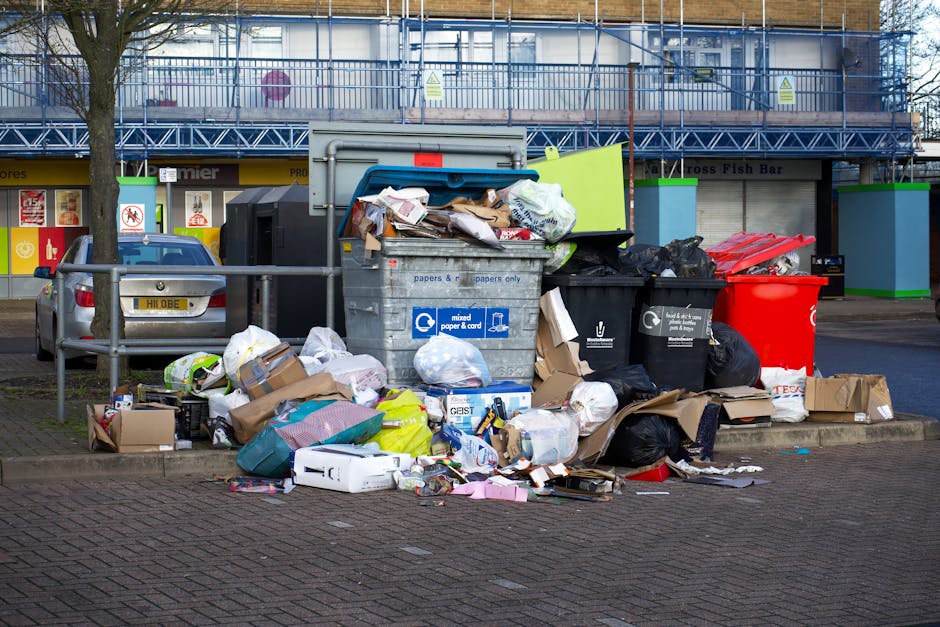
If you trade at Chrisp Street Market, rubbish removal is not just a tidy-up task at the end of the day. It affects how fast you can reset your pitch, how safe your space feels for shoppers, and whether you stay on the right side of site rules and local expectations. This Poplar rubbish removal guide for Chrisp Street market traders is designed to help you deal with packaging, broken stock, food waste, display waste, and bulkier clear-outs without turning trading day into a bit of a mess.
The simple truth is this: market waste builds up fast. Cardboard, shrink wrap, damaged boxes, old signage, and the odd "we'll sort that later" pile can snowball before you know it. A sensible waste plan saves time, keeps walkways clear, and makes your stall look professional. It also helps you choose between rubbish removal, commercial skip hire, wait and load skip hire, or a more flexible service like man and van collection.
Below, you'll find the practical stuff: what traders usually need to remove, which methods suit a busy market setting, what to avoid, and how to keep disposal straightforward. No fluff. Just a clear guide you can actually use.
Table of Contents
- Why rubbish removal matters for Chrisp Street market traders
- How market rubbish removal works in practice
- Key benefits and practical advantages
- Who this is for and when it makes sense
- Step-by-step guidance for traders
- Expert tips for smoother waste handling
- Common mistakes to avoid
- Tools, resources and recommendations
- Law, compliance, standards and best practice
- Options and comparison table
- Case study or real-world example
- Practical checklist
- Conclusion
- Frequently asked questions
Why Poplar rubbish removal guide for Chrisp Street market traders Matters
For market traders, waste is part of the job. You unpack stock, strip packaging, move displays, clear spoilt items, and deal with the little bits that shoppers never see. In a fixed shop, you can hide that behind a back room. On a market pitch, everything is more visible. That makes good waste handling a trading issue, not just a cleaning issue.
Chrisp Street Market has the kind of footfall where a cluttered stall can feel smaller, harder to browse, and less welcoming. A few loose boxes, a bin bag tied awkwardly to a frame, or a mound of cardboard at the wrong time of day can get in the way pretty quickly. And honestly, no trader wants to spend the first twenty minutes of the morning wrestling with yesterday's packaging while customers walk past.
There is also a reputational angle. Clean pitches suggest reliability. Customers notice when a stall is organised. It's one of those quiet signals that says, "this trader has their act together." That matters when you are competing on a busy market street.
Then there is safety. Wet cardboard, broken crates, food spillages, cable ties, sharp plastic edging, and stray pallet bands can all create avoidable hazards. A neat disposal system reduces trip risks and makes early-morning setup a bit less chaotic. To be fair, market work is chaotic enough already.
For traders dealing with regular waste volumes, the right solution can also help protect trading time. Instead of making repeated trips to a public bin or stacking waste in a corner until it becomes a problem, you can arrange collections that fit around your trading pattern. That is where services like same day skip hire or a planned collection from book online can be useful when the pressure is on.
How Poplar rubbish removal guide for Chrisp Street market traders Works
Rubbish removal for market traders usually comes down to matching the waste type, volume, and access conditions with the right collection method. That sounds obvious, but it is where many people overcomplicate things. You do not need the biggest option; you need the option that fits your space and your timing.
Here is the basic flow:
- Sort waste by type. Packaging, general rubbish, food waste, bulky items, and any specialist waste should be separated as early as possible.
- Estimate volume. A trader who removes a few sacks a day will need something different from a trader clearing stock after a seasonal reset.
- Check access. Can a vehicle stop close enough? Is there room to load safely? Do you need fast turnaround to avoid blocking the pitch?
- Choose the method. You may need rubbish removal, grab hire services, skip hire, or wait and load skip hire.
- Arrange a collection time. For markets, timing matters. You want the collection to work around opening, closing, or low-footfall periods.
- Keep waste in the right place until pickup. Bags should be sealed, sharp items contained, and any prohibited material kept out.
In a busy market setting, the "wait and load" model can be especially practical because the vehicle arrives, you load it quickly, and it leaves. That avoids leaving a skip on site if space is tight. If you need a more secure option for stock packaging or mixed waste, an enclosed and lockable skip hire solution can also make sense.
For a trader with awkward access, one-lane loading, or a site that becomes crowded as soon as shoppers arrive, the access question can matter more than the waste itself. A small service that can get in and out cleanly may save you a lot of hassle.
Key Benefits and Practical Advantages
A solid rubbish removal routine does more than keep your pitch looking tidy. The practical gains are easy to feel once things are working properly.
- Faster daily reset: Less clutter means quicker setup the next morning.
- Safer trading space: Clear walkways reduce slips, trips, and awkward collisions.
- Better presentation: Customers see a professional stall, not a storage dump.
- Less stress: You are not wondering where to put the next bag or crate.
- More efficient stock management: Packaging and damaged goods leave the pitch before they pile up.
- Flexible response to busy periods: Seasonal peaks, events, and clear-outs are easier to manage.
There is also a very real planning benefit. Once you know your average waste output, you can make better decisions about collection frequency. That could mean regular commercial skip hire for larger traders, or lighter-touch man and van collections when the volume is smaller but still awkward to handle yourself.
One of the less obvious advantages is morale. Sounds a bit grand, maybe, but tidy trading spaces tend to feel calmer. When you are working in a crowded, noisy environment, that counts for something.
Who This Is For and When It Makes Sense
This guide is for Chrisp Street market traders who generate regular waste and want a cleaner, more efficient way to manage it. That includes:
- food traders dealing with boxes, liners, and packaging
- clothes and accessories stalls with hangers, bags, tags, and damaged stock
- household goods traders clearing bulky packaging and broken items
- seasonal traders facing short bursts of high waste volumes
- stallholders doing a full refresh or end-of-season clear-out
- small businesses trading from market-adjacent units with limited storage
It makes sense when waste is beginning to interfere with trading or storage. If you are stacking cardboard behind the stall because the bins are full, you probably need a better routine. If you are making repeated trips with sacks in the back of a car, you may need a more efficient collection option. If you only have the occasional one-off burst, a simple collection might be enough.
It also makes sense when timing is tricky. Market traders often have narrow windows before opening or after closing. You do not want a collection that blocks your pitch during peak footfall. That is where flexible services can help, especially if you need pricing and quotes before deciding what suits your budget.
A small aside: traders are good at improvising. That skill helps on a market day, but waste is one of those things where improvising too long usually ends in a back corner full of boxes and a grumpy sigh. Best not to wait for that moment.
Step-by-Step Guidance
If you want a system that actually holds up, start simple and build from there.
1. Map your waste streams
Write down the kinds of rubbish your stall produces in a normal week. Common examples are cardboard, film wrap, plastic, paper, food waste, damaged stock, and broken display material. If you know what is coming, you can plan for it.
2. Separate reusable items from rubbish
Not everything has to go straight into disposal. Boxes may be reusable for storage. Some packaging can be flattened and kept for later use. Damaged stock, however, should be dealt with promptly so it does not occupy precious pitch space.
3. Flatten and bundle where possible
Cardboard is easier to manage when flattened. It takes up less room and loads more cleanly. The same goes for some soft packaging and lightweight materials. The difference is noticeable, especially at busy set-up times.
4. Choose the right collection method
For quick clear-outs, wait and load skip hire can be handy. For more predictable volumes, skip sizes and prices gives you a practical way to compare what you need. If your waste is mixed and access is straightforward, a truck-based solution or grab lorry hire may fit better.
5. Keep prohibited items separate
Do not assume everything can go together. Certain waste types need special handling. Anything potentially hazardous, sharp, leaking, or regulated should be managed through the right route. If in doubt, check what can go in a skip before you pile everything together and hope for the best.
6. Schedule around your trading rhythm
Collections should work with your actual hours, not some idealised version of them. If Monday mornings are quiet, use that. If you close early on a certain day, use that. Convenience is a big part of making the system stick.
7. Review after a few weeks
Ask yourself: are you over-ordering? Under-ordering? Leaving waste too long? Small tweaks can make a big difference. A trader might discover they need fewer bulky collections and more frequent lighter pickups. That kind of adjustment saves money and annoyance.
Expert Tips for Better Results
Here are the sort of things that make waste handling easier in the real world, not just on paper.
- Use a fixed waste point: Pick one place for sealed sacks or flattened cardboard so people are not leaving waste everywhere.
- Keep a small "rush bag" system: During busy hours, it helps to have a quick place for odd bits until the end of service.
- Label mixed waste clearly: If a helper or colleague is loading items, they should not have to guess.
- Protect the pitch surface: Wet packaging and leaking bags can make a right mess. Use liners or containers where sensible.
- Book before the pile becomes a problem: Last-minute arrangements often cost you time, and sometimes more money too.
- Ask about secure options: If you handle paperwork, receipts, or customer information, consider confidential shredding for documents that should not go in general waste.
Another useful habit is to think in terms of "end of day" and "end of week." Daily waste is one thing. Weekly clear-outs are another. If you separate those two, you make planning much less messy.
And yes, it sounds basic. But basic systems are usually the ones that survive a proper market day, when it is damp, crowded, and everyone wants to get on with their own thing. That is the reality.
Common Mistakes to Avoid
Most waste problems for traders are not dramatic. They are just small mistakes repeated often enough to become annoying.
- Leaving waste until the end of the week: By then it is bulkier, smellier, and harder to manage.
- Mixing incompatible waste: General rubbish, food waste, sharp items, and specialist waste should not all be lumped together.
- Underestimating access issues: A large vehicle is no good if it cannot reach the load point.
- Choosing a collection method too late: The best plan is the one arranged before the pressure hits.
- Ignoring storage space: If you have nowhere to keep waste safely between collections, you need a better rhythm.
- Overfilling bags: Overstuffed sacks are awkward to move and easy to tear.
There is one more mistake worth calling out: assuming that the cheapest option is automatically the best. It often is not. A slightly more suitable service can save labour time, reduce disruption, and keep your pitch running cleaner. That balance matters, especially when trade is busy.
Tools, Resources and Recommendations
You do not need a warehouse of kit to keep market waste under control. A few simple tools do most of the work.
- Heavy-duty bin bags: Better for regular lightweight rubbish and packaging.
- Flattening tools or a cutter: Helpful for cardboard and taped boxes.
- Sealable containers: Useful for wet waste or anything that might leak.
- Gloves and basic PPE: Keep hands safe when handling broken packaging or dirty materials.
- Reusable crates: Great for moving stock and keeping waste separate from sellable items.
- Clear labels: Simple labels reduce confusion during busy periods.
For traders with mixed waste or occasional bulk clear-outs, the most useful supporting pages are rubbish removal, skip hire, and recycling and sustainability. Those pages help you think through the practical side of disposal and the environmental side too.
If your waste involves appliances, chilled units, or other awkward items from a stall upgrade, it is worth looking at fridge and appliance removal rather than trying to force the issue with general waste. Likewise, bulky seating or display furniture may be better handled through mattress and sofa disposal if those items are part of your clear-out.
Law, Compliance, Standards, or Best Practice
For traders, waste disposal is not just about convenience. In the UK, you are expected to manage waste responsibly and pass it to a legitimate carrier. That means you should keep sensible records, avoid fly-tipping, and make sure you are using a service suited to the waste type. You do not need to turn into a compliance expert overnight, but you do need to be careful.
Best practice usually means:
- keeping waste separated where possible
- using licensed or reputable waste services
- storing rubbish safely until collection
- keeping access routes clear for staff and customers
- treating hazardous or specialist waste separately
If your trading activity creates anything unusual, such as contaminated waste or items with possible safety concerns, speak to the provider before booking. This is where a careful conversation beats guessing every time. A good operator should be able to explain what they can take, what needs separate handling, and what collection method is safest.
Health and safety matters too. Bags should not obstruct walkways. Sharp edges should be contained. Wet waste should not sit around creating slip risks. If a collection involves lifting heavier items, using the right equipment and basic safe handling is simply common sense. You can also review health and safety policy and insurance and safety information if you want added reassurance before booking.
Options, Methods, or Comparison Table
Different traders need different waste solutions. Here is a straightforward comparison to help you narrow it down.
| Method | Best for | Pros | Possible drawback |
|---|---|---|---|
| Rubbish removal | General market waste, quick clear-outs | Simple, flexible, minimal fuss | May be less ideal for repeated heavy volumes |
| Wait and load skip hire | Busy pitches with limited space | No skip left on site, fast turnaround | Needs efficient loading during the booked window |
| Commercial skip hire | Regular waste and larger volumes | Good for ongoing disposal needs | Needs space and, in some cases, permit consideration |
| Grab hire services | Bulkier mixed waste | Useful where access and loading are awkward | Not always the best fit for very small jobs |
| Man and van | Smaller loads or one-off clear-outs | Flexible and often practical for varied items | Can become less efficient for repeated high volumes |
If your market setup changes from week to week, flexibility is usually your friend. If your waste pattern is consistent, a regular arrangement may be easier and more cost-effective in the long run. For more details on pricing structure, the pricing and quotes page is the sensible place to start.
Case Study or Real-World Example
Picture a trader selling packaged household items at Chrisp Street Market. On a typical day, they open with clean stock, but by lunchtime they have a pile of flattened cardboard, torn wrap, damaged cartons, and a couple of broken display pieces that should not go back into storage. Nothing huge. Just enough to become irritating.
At first, they keep everything behind the stall and promise to sort it out at the end of the week. That works for two days. By Friday, the space feels cramped, customers have to step around bags, and setting up becomes slower. A staff member keeps shifting the same pile from one side to the other. Familiar story, really.
They switch to a simple routine: flatten cardboard daily, separate packaging into sacks, and arrange a regular collection. For one seasonal clear-out, they use a same-day option so the stall can be reset before the weekend rush. For bulkier packing waste, they compare skip sizes and prices and choose the smallest practical option rather than overcommitting.
The result is not glamorous, but it is effective. Less clutter, less stress, faster setup, and a stall that looks more open. The kind of change customers notice without saying much. Which, in retail, is often the point.
Practical Checklist
Use this checklist before arranging rubbish removal for your market stall.
- Have I identified the main waste types I produce?
- Have I separated general waste from specialist items?
- Have I flattened cardboard and bundled loose packaging?
- Do I know how much waste needs removing?
- Is there enough access for the collection method I want?
- Have I checked whether any items need special handling?
- Do I need a fast turnaround or a same-day slot?
- Have I planned around trading hours and customer flow?
- Am I clear on where waste will be stored before pickup?
- Have I reviewed pricing and the service fit, not just the headline cost?
If you can tick most of those off, you are already ahead of the game. If not, that is fine too. Waste planning is one of those jobs that gets easier once you stop treating it as an afterthought.
Conclusion
A good waste plan makes life easier for Chrisp Street market traders. It keeps your pitch tidier, helps protect safety, and stops rubbish from stealing time you would rather spend trading. The best solution is usually the one that fits your access, your volumes, and your daily rhythm. Not the fanciest one. Not the biggest one. Just the right one.
Start by understanding your waste, then match it to a collection method that keeps your stall moving. If you need a practical, trader-friendly approach, services such as rubbish removal, wait and load skip hire, or commercial skip hire can be a smart place to look. And if you are planning a larger clear-out, it is worth checking contact options and booking ahead so the timing works in your favour.
Get a free quote today and see how much you can save.
Once the waste side is under control, trading feels lighter somehow. Cleaner, calmer, less like you are fighting the pitch all day. That's a good place to be.
Frequently Asked Questions
What is the best rubbish removal option for Chrisp Street market traders?
It depends on your waste volume and access. Small, regular loads often suit rubbish removal or man and van collections, while larger or recurring volumes may suit commercial skip hire or grab hire services.
Can I use skip hire if space is tight on a market pitch?
Yes, but the space has to work safely. If leaving a skip on site is awkward, wait and load skip hire is often a better fit because the vehicle only stays while you load it.
What types of waste do market traders usually need to remove?
Common examples include cardboard, packaging film, paper, damaged stock, display waste, broken crates, and general rubbish. Food traders may also have additional waste to separate carefully.
Do I need to sort waste before collection?
It is strongly recommended. Sorting waste helps with safety, makes collections faster, and reduces the chance of mixing items that need separate handling.
How do I know which skip size I need?
Think about how much waste you produce in a normal week and what kind of items you are disposing of. The skip sizes and prices page is a useful starting point when you are comparing options.
Are all market waste items allowed in a skip?
No. Some items need separate handling, especially anything hazardous or specialist. Always check what can go in a skip before booking.
What if I need rubbish removed quickly after a busy trading day?
Same-day services can be useful when waste has built up suddenly or you need the pitch cleared fast. A flexible option can stop the problem rolling into the next trading day.
Is commercial skip hire better than rubbish removal for traders?
Not always. Commercial skip hire is often better for steady, ongoing waste volumes. Rubbish removal can be more practical for smaller, less predictable or awkward loads. It comes down to how you trade.
What should I do with old paperwork or customer documents?
Do not mix them into general waste if they contain sensitive information. confidential shredding is the safer option for documents that should be destroyed securely.
How can I keep waste from affecting customers?
Use one designated waste point, clear it regularly, and avoid letting bags or boxes spill into walking space. A tidy stall makes browsing easier and feels more professional.
Is it better to book in advance or wait until waste builds up?
Booking in advance is usually the smarter move. It gives you control over timing, helps avoid disruption, and reduces the chance of waste becoming a last-minute headache.
Can bulky items from a stall clear-out be removed too?
Yes, provided the item type is suitable for the service. Bulky display pieces, furniture, and appliances may need a specific disposal route such as fridge and appliance removal or mattress and sofa disposal.